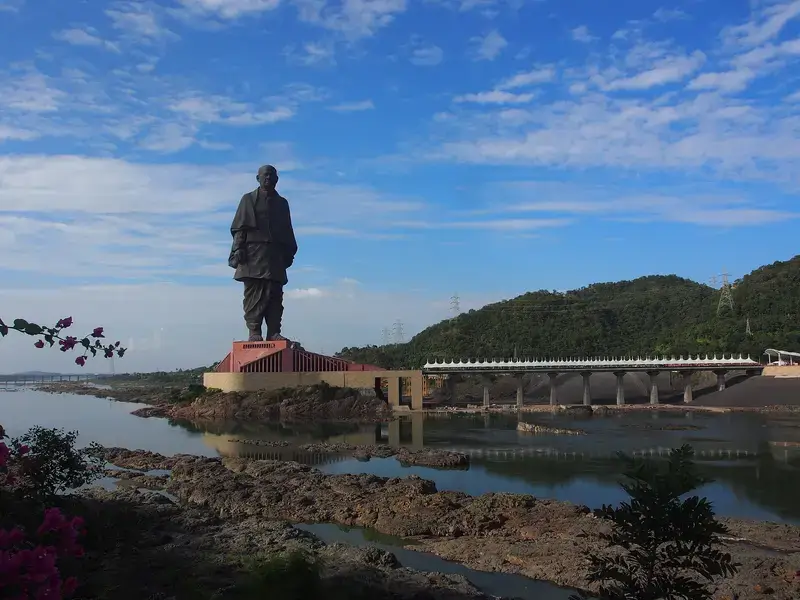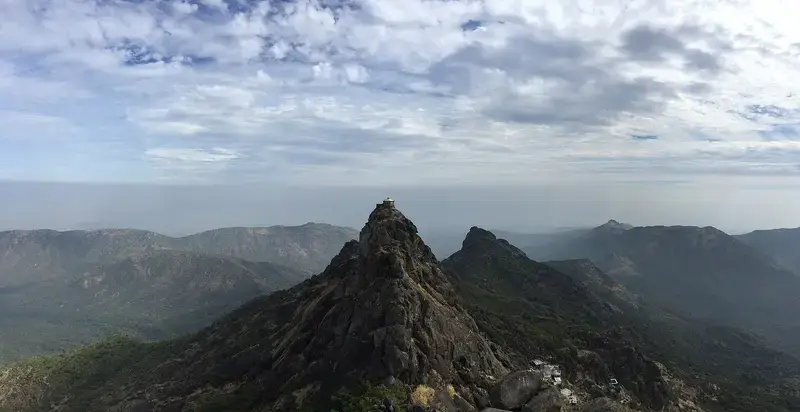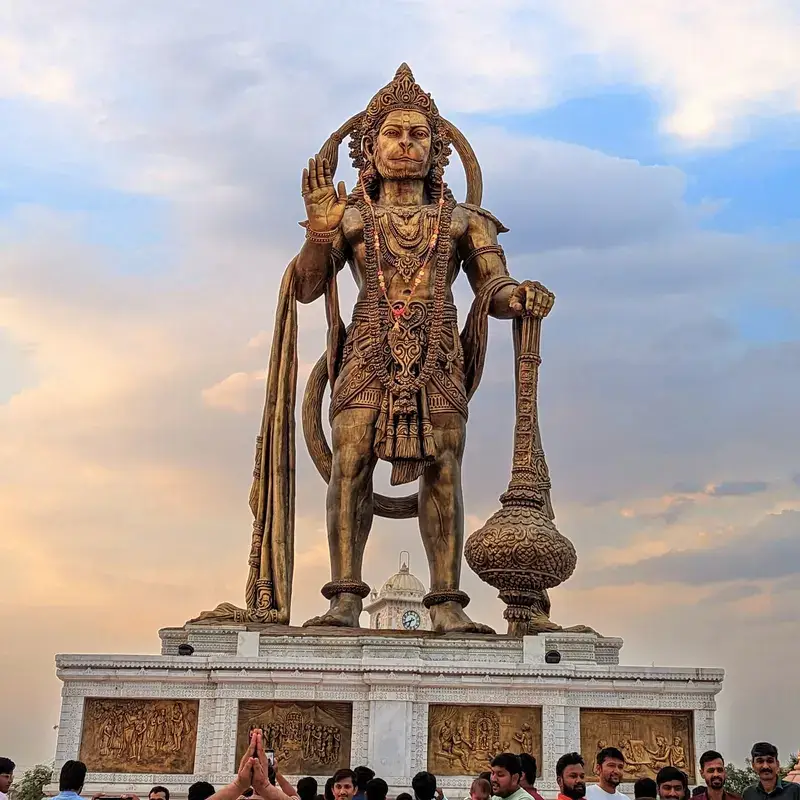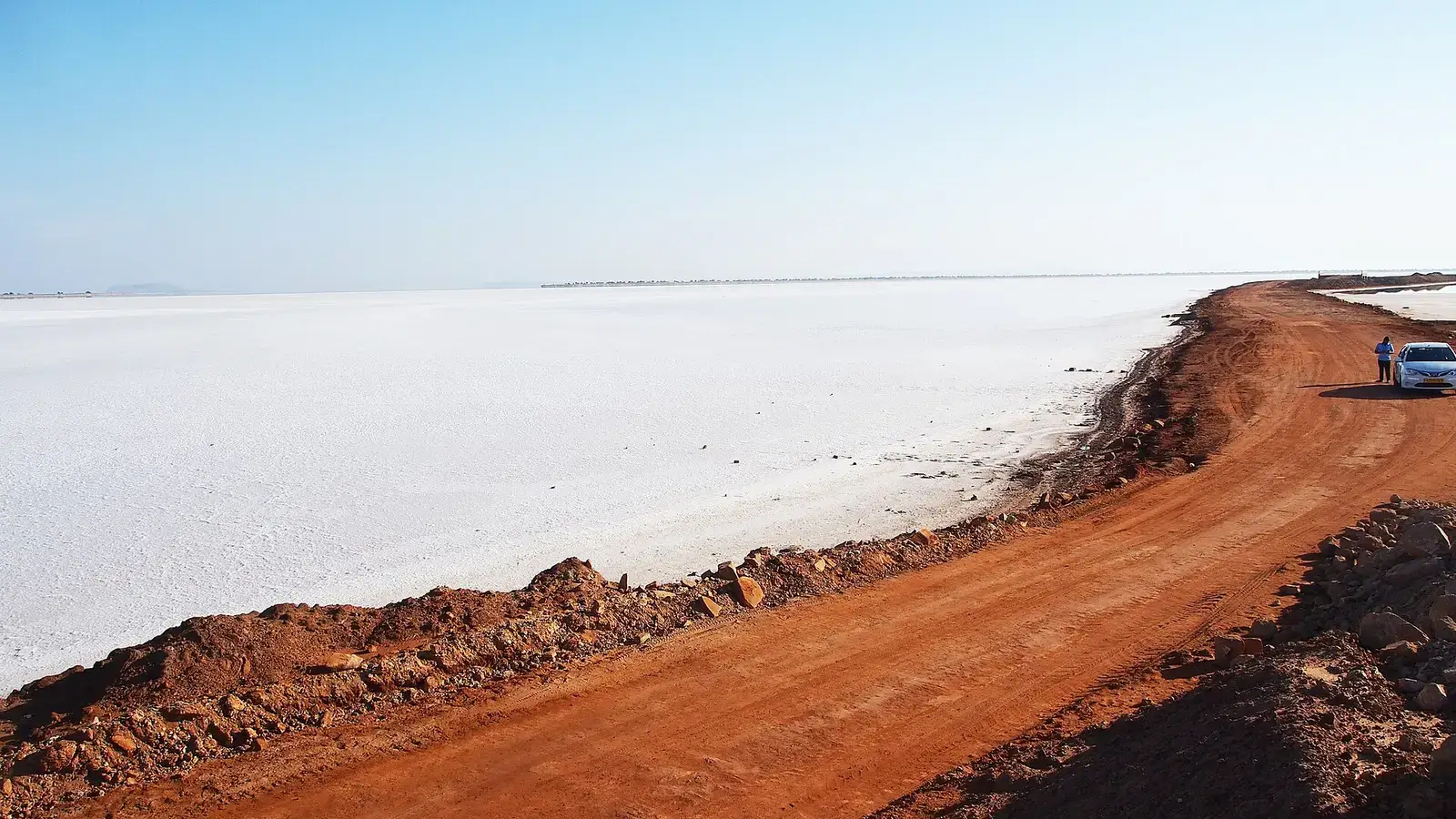
The Great Rann of Kutch is a seasonal salt marsh roughly the size of a small country. Through the monsoon it is under water; by winter it has dried to a crust of white salt stretching past the horizon, and you can walk out onto it.
That cycle governs everything about visiting. There is no year-round Rann of Kutch trip — there is a season, running roughly November to February, and outside it you are either looking at water or standing in serious heat.
Kutch is also more than the salt. It is India’s craft heartland, with villages practising techniques found nowhere else, a Harappan city at Dholavira, and distances large enough that having a car and driver stops being a convenience and becomes the only sensible way to see it.
The White Rann and Dhordo
The accessible edge of the salt desert is at Dhordo, about eighty kilometres north of Bhuj. This is where the Rann Utsav tent city is pitched each season and where almost every photograph of the White Rann is taken.
A permit is required to go beyond the checkpost at Bhirandiyara, and everyone in the vehicle needs photo ID for it. It is issued on the spot rather than booked ahead, but leave time for it.
Sunset is the standard visit and full-moon nights are the reason people plan dates months out — the salt reflects the moon and the whole plain glows. Those nights book out first in every hotel and tent camp in the district.
Rann Utsav
The Rann Utsav is a seasonal festival built around a large tent city at Dhordo, running through the winter months with music, crafts, camel rides and organised access to the salt flats.
It divides opinion. It is comfortable, well organised and makes the Rann accessible to people who would not otherwise get there; it is also busy and packaged, and some travellers prefer to stay in Bhuj and drive out independently.
Exact dates shift each year and are announced by Gujarat Tourism, so take them from the official source when planning. Assume the window is somewhere in November to February and book accommodation early either way.
Bhuj and the craft villages
Bhuj is the district capital and the base for everything. The Aina Mahal and Prag Mahal — a hall of mirrors and a Gothic clock tower — both still carry visible damage from the 2001 earthquake, which is itself part of the town’s story. The Kutch Museum is the oldest in Gujarat.
The craft villages are the part people underestimate. Nirona for rogan art, a painting technique with castor oil practised by a single family; Bhujodi for weaving; Ajrakhpur for block printing with natural dyes; Nirona again for copper bells. All are within about an hour of Bhuj and all are working villages rather than showrooms.
Kalo Dungar, the Black Hill, is the highest point in Kutch and looks out across the entire Rann. Worth the drive for the view alone.
Further out
Dholavira is a UNESCO World Heritage Site and one of the largest Harappan cities ever excavated, sitting on an island in the Rann about five hours east of Bhuj. It is a serious undertaking and deserves its own overnight rather than being squeezed into a day.
Mandvi, two hours south, is the cleanest beach in Kutch and still has a working yard where wooden ships are built by hand much as they have been for centuries.
Distances inside the district are large and public transport is thin. Keeping the car and driver with you for the whole trip is not an upsell here — it is how the place is seen.
When to go
- November to FebruaryBest timeThe season, and effectively the only one. The salt is dry and white, the weather is comfortable, and the Rann Utsav runs. Nights get genuinely cold — carry warm clothes.
- MarchHotStill viable at the start of the month and quieter than peak season, though heat builds quickly.
- April to JuneHotSevere heat. Not a sensible time to be standing on a salt plain.
- July to OctoberMonsoonThe Rann floods. The salt desert simply is not there to walk on, though Bhuj and the craft villages remain visitable.
Getting there · Plan this trip
Rajkot to Kutch — fares and drive time
We drive this route regularly, with fixed all-inclusive fares and a driver who knows the road.
Sedan, one way from ₹3,500